What to check before booking a dune buggy in Dubai
Booking a desert drive is easy. Choosing the right one takes a little more care. A dune buggy day can feel very different depending on the vehicle, the route, the safety setup and the pace of the group. Before paying for polaris dune buggy dubai, look past the photos and read the practical details that affect comfort and safety.
The desert is not a flat theme park. Sand shifts, light changes quickly, and a route that looks gentle in a brochure can feel demanding in the heat. A short review of the basics helps match the drive to the people going, whether that is a solo rider, a couple or a family with older children.
Vehicle type and driving setup
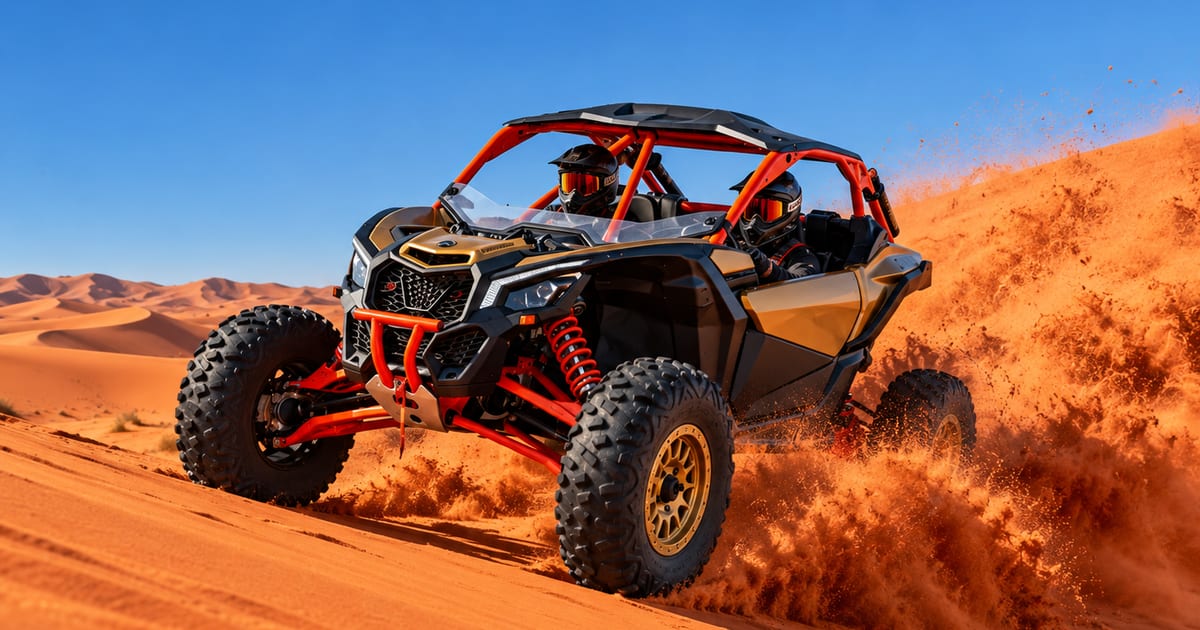
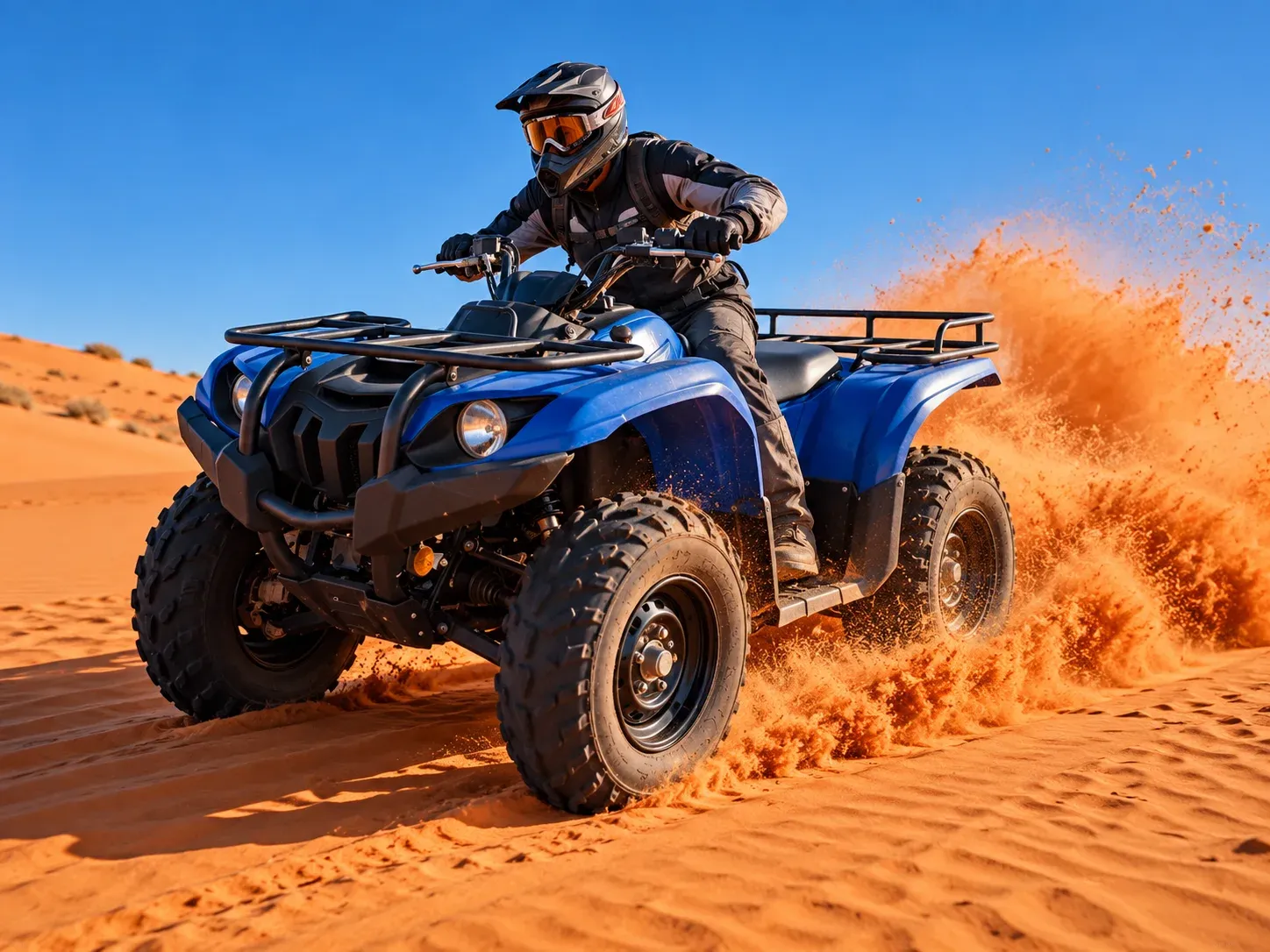
Start with the machine itself. A dune buggy is different from an all-terrain vehicle, even though both are used off road. A buggy usually has a frame, roll protection, seats, a steering wheel and foot pedals. That layout feels closer to driving a small car, which can suit riders who do not want to balance like they would on a quad. Check whether the booking is for a single seat or a shared buggy, and whether each driver gets time behind the wheel.
Read the vehicle description for transmission, engine size and seat layout only as far as they help you judge the experience. Automatic machines are often simpler for first timers. Manual control may appeal to someone who likes more involvement, but it adds a learning curve. If the listing does not say who may drive, ask before booking rather than assuming.
The condition of the off-road vehicle matters more than a glossy name. Look for clear information about maintenance, safety inspection and replacement of worn parts. Suspension, tyres and brakes all take a beating in sand. A reputable operator will be able to explain how vehicles are checked without turning the conversation into a technical lecture.

Safety gear and rider rules
Safety should be visible in the booking details, not added as an afterthought. Confirm that helmets are supplied in suitable sizes and that they are clean, undamaged and worn with the strap fastened. Gloves, goggles or dusty conditions protection may also matter, especially for open buggies. If the listing mentions safety gear, check what is actually included and what riders should bring.
A skid in soft sand is not the same as a skid on tarmac. Roll protection, seat belts and clear boarding instructions all play a part in reducing risk. Riders should keep hands and feet inside the vehicle, follow the lead driver and avoid sudden steering or braking. These are normal off-road habits, not signs of a timid trip.
Age, height and licence rules deserve attention too. Some vehicles have minimum age requirements, and passengers may need to meet size limits for belts to fit properly. If children are in the group, check whether the buggy is suitable at all, or whether another vehicle class fits better. When rules are vague, treat that as a reason to ask questions before paying.
- Confirm helmet sizes and whether each rider has one that fits snugly.
- Ask what safety gear is included and what should be brought from home.
- Check age, height and driving requirements for every rider and passenger.
- Read the rules on seat belts, standing, overtaking and leaving the route.
Route, timing and pace
The Dubai desert offers a wide range of settings. Some drives stay near rolling sand dunes, while others include a longer transfer before the off-road section starts. The time of day changes the experience. A cooler slot is usually more comfortable, and lower sun can make the sand easier to read. Midday heat can be harsh, especially in an open vehicle.
Find out how long the driving portion lasts, not just the length of the whole outing. A package may include collection, stops, meals or entertainment, but the actual time in the buggy is what many riders care about. A longer total itinerary does not always mean more driving. A clear breakdown helps avoid disappointment.
Pace is another detail worth checking. A guided tour can keep riders together and reduce the chance of getting separated. That structure is useful in a changing landscape where landmarks can look alike. At the same time, a group with mixed confidence may need a slower pace. If the aim is a gentle outing, say so before booking. If the aim is a more energetic ride, check whether the route allows it and what limits apply.
Search results for polaris dune buggy dubai can make different trips look similar, yet the route and group style may be quite different. Look for a written description of the terrain, the stops and the level of guidance. Terms such as beginner friendly, moderate or advanced are useful only if they are backed by plain details about what happens on the drive.
Booking terms that affect the day
Before committing, read the booking terms with the same attention you would give to a hotel or flight. Check what is included, what is optional and what may be added on the day. This is not about hunting for a bargain. It is about knowing what the rider is agreeing to and avoiding awkward surprises at the start point.
Payment conditions matter. Look for the deposit rules, cancellation windows and what happens if weather affects the drive. Desert conditions can change, and a responsible plan should be clear about rescheduling or refunds when a trip cannot run safely. Vague wording can leave a visitor with little recourse.
Also check whether insurance is mentioned and what it covers. Coverage for a vehicle is not the same as personal cover for every rider. Excess amounts, damage responsibility and exclusions should be understandable before arrival. If the wording is hard to follow, ask for a simple explanation. A clear answer is a good sign, while a shrug is not.
- Read the exact inclusions, especially driving time, transfers, meals and extras.
- Check cancellation, rescheduling and weather policies before paying.
- Ask what insurance covers and what the rider remains responsible for.
- Keep written confirmation of the booking time, meeting point and vehicle type.
Comfort, clothing and personal limits
Desert driving is dusty, warm and physical enough to leave riders tired. Clothing should cover skin, allow movement and sit comfortably under safety gear. Closed shoes are sensible because feet are close to pedals and rough edges. Sunglasses, sun protection and water are useful in most seasons, though the exact needs depend on the time of day. Loose scarves or anything that can catch on a vehicle should be avoided.
Think honestly about health and mobility. Getting in and out of a buggy can involve a step up, and vibration over sand can bother the back or neck. Anyone pregnant, recovering from an injury or managing a heart or breathing condition should seek medical advice before taking part. This is not pessimism. It is a sensible way to protect the day for everyone in the group.
Photographs are tempting, but they should never take priority over control. Keep cameras secured, and stop in an approved area rather than handling a phone while moving. Dust can also affect lenses, so a simple protective pouch helps. The best memories come from a smooth, controlled drive rather than a rushed attempt to capture every second.
Questions that reveal the quality of a listing
A good booking page answers the obvious questions in plain language. It says what the vehicle is, where the drive starts, how long the driving lasts, what safety gear is provided and what the rider must do. It also explains what happens if plans change. When those details are missing, the low price or dramatic imagery should not carry the decision.
Ask directly if something is unclear. Useful questions include whether helmets are cleaned between users, whether a lead vehicle guides the group, how many drivers share one buggy and what the route is like for beginners. The answers should be specific enough to picture the day. If a reply avoids the point, keep looking.
Finally, match the trip to the rider rather than the other way around. A first timer may value calm guidance and a shorter route. An experienced off-road enthusiast may want more time driving and fewer staged stops. A family may care most about seat fit, shade and clear rules. Once those priorities are written down, comparing options becomes much simpler.
A dune buggy outing should feel exciting, but the decision before booking does not need to be rushed. Check the vehicle, safety setup, route, timing and terms in that order. The result is a better match, fewer surprises and more confidence when the engine starts and the sand stretches ahead.